
Start With the Right Purpose
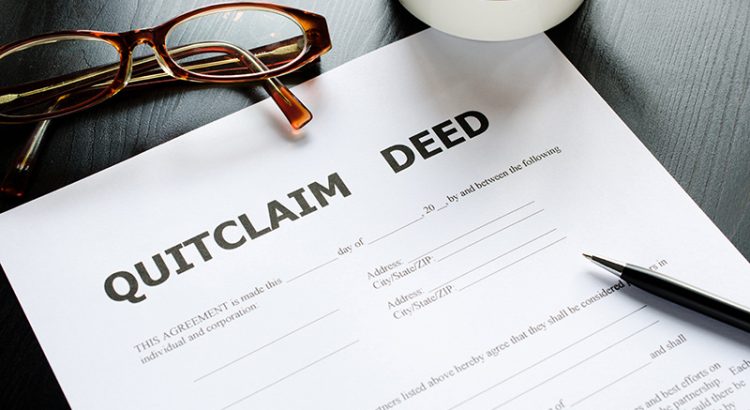
A quitclaim deed form in Ohio is often used when property is being transferred without a traditional sale. That can happen when a parent gives an interest to a child, one spouse transfers title to the other, an owner moves property into a trust, or title is adjusted after divorce or survivorship planning. Even though no sale price may be involved, the deed still affects legal ownership. Ohio’s statutory quitclaim form passes whatever interest the grantor has, but it does not guarantee clear title. That makes it useful for many non-sale transfers, but only when the parties understand what the document actually does.
Know the Common Non-Sale Uses
The most common reason to use this deed is to move title between people or entities that already have a relationship. Practical county guidance tied to Ohio conveyance exemptions identifies several recurring situations: gifts between a parent and child or between spouses, deeds used to remove an ex-spouse after divorce, some transfers into or out of a revocable trust and adding another person to title in survivorship. Those examples matter because non-sale does not always mean no paperwork beyond the deed. The county auditor may still want the correct exemption category and supporting documents that match the reason for the transfer.
Make the Deed Match the Title Record
A Quitclaim Deed Form Ohio should be prepared with close attention to names and property details. The current owner names should match the title record as closely as possible and the new owner names should be written clearly so the county records show exactly who holds the interest after the transfer. The legal description must also be valid. County conveyance standards state that the legal description must appear in the body of the transfer document or be attached as an exhibit and a copied reference alone may not be enough. If the transfer is to multiple grantees, the ownership wording should also be chosen carefully so the result matches the parties’ intent.
Follow the Signing and Filing Rules
The transfer is not just about wording. Ohio law requires the grantor’s signing to be acknowledged before an authorized official and county recorders can reject documents that fail basic formatting rules. In practice, counties also expect conveyance paperwork with the deed. Summit County’s recorder guidance notes that a quitclaim deed requires a DTE 100 or DTE 100EX and the Ohio tax form instructions state that the county auditor may inspect documents and request affidavits, trust papers, court orders, or other proof to support an exemption claim. This is especially important in non-sale transfers, where the auditor may need to confirm why no conveyance fee is being charged.
Use Caution With Corrections and Special Cases
Not every title change should be handled with a new deed. Ohio law also recognizes affidavits relating to facts that may affect title and county guidance shows that some name changes or factual corrections are treated differently from actual ownership transfers. Trust-related transfers can also require extra care, especially when trustee authority or successor trustee status needs to be shown. This is where people often make avoidable mistakes. They assume all non-sale property changes can be handled with the same simple form, but the right document depends on whether ownership is actually changing, who holds title now and what proof the county expects to see.
A Better Transfer Process Comes From Clear Preparation
A Quitclaim Deed Form works best when the reason for the transfer is clear from the start. Identify whether the transfer is a gift, divorce-related change, trust move, survivorship step, or another non-sale event. Then match the deed language, legal description, exemption form and supporting records to that purpose. That approach helps reduce rejection at the recorder’s office and makes the public record easier to understand later. In legal services, the goal is not to make a simple transfer complicated. It is to make sure a non-sale transfer is still handled with enough care to protect the title record going forward.