
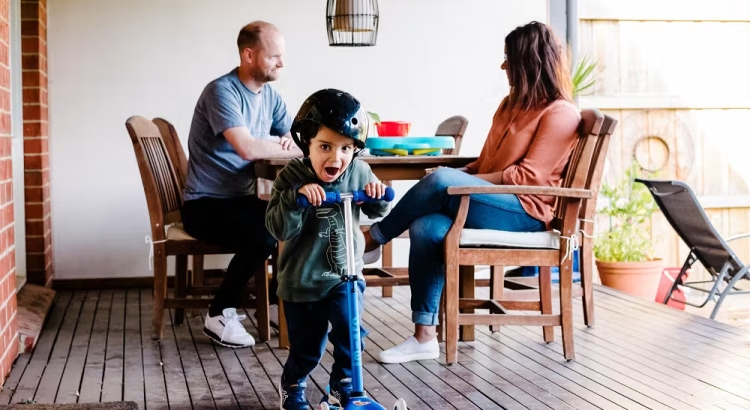
Co-parenting after divorce can be challenging, but it plays a critical role in helping children adjust to new family dynamics. When parents work together respectfully and consistently, children feel more secure and emotionally supported. A cooperative approach reduces conflict, strengthens stability, and encourages healthy development.
With thoughtful planning and clear communication, co-parenting can become a practical and positive partnership focused on the well-being of your child.
Put the Child’s Needs First
Successful co-parenting begins with a shared commitment to prioritizing your child’s emotional and physical needs above personal disagreements.
Helpful ways to maintain a child-centered approach include:
- Supporting routines across both households
- Encouraging open conversations about feelings
- Respecting the child’s relationship with both parents
- Avoiding negative comments about the other parent 👨👩👧
Children benefit most when they feel loved and supported by both parents.
Maintain Consistent Communication
Clear communication between parents helps prevent misunderstandings and creates a stable environment for children.
Effective communication strategies include:
- Sharing updates about school activities
- Discussing health-related concerns promptly
- Coordinating schedules in advance
- Keeping conversations respectful and focused
Consistency builds trust and reduces confusion for everyone involved.
Create a Structured Parenting Plan
A written parenting plan provides clarity and helps avoid future disagreements. It outlines responsibilities and expectations for both parents.
Important elements to include:
- Visitation schedules
- Holiday arrangements
- Transportation responsibilities
- Decision-making authority
- Emergency procedures 📅
A clear structure supports smoother day-to-day coordination.
Keep Conflict Away from Children
Children should never feel responsible for adult disagreements. Shielding them from conflict protects their emotional well-being.
Healthy practices include:
- Resolving disputes privately
- Avoiding arguments during exchanges
- Keeping discussions calm and solution-focused
- Using neutral communication methods if needed
Reducing exposure to conflict helps children adjust more confidently.
Stay Flexible When Possible
Unexpected changes are part of life. Flexibility allows both parents to respond to situations without unnecessary stress.
Examples of flexibility include:
- Adjusting schedules during special events
- Supporting family celebrations on both sides
- Allowing extra time during important occasions
Cooperation strengthens the parenting partnership over time.
Support Consistent Rules Across Households
Children benefit from predictable expectations regardless of where they stay.
Try to align on:
- Bedtime routines
- Homework expectations
- Screen-time limits
- Behavioral boundaries 📘
Consistency promotes security and helps children adapt more easily.
Use Technology to Stay Organized
Digital tools can make co-parenting coordination simpler and more efficient.
Useful tools include:
- Shared calendars
- Messaging platforms for updates
- Reminder apps for school events
- Expense-tracking tools for shared costs
Technology helps maintain transparency and reduces misunderstandings.
Respect Each Other’s Parenting Role
Mutual respect strengthens cooperation and supports healthy decision-making.
Ways to maintain respect include:
- Acknowledging each parent’s involvement
- Avoiding criticism in front of children
- Supporting agreed-upon rules
- Encouraging children to maintain communication with both parents
Respectful collaboration builds a stronger co-parenting foundation.
Take Care of Your Own Emotional Well-Being
Parenting after divorce becomes easier when both parents maintain emotional balance.
Helpful self-care strategies include:
- Building supportive routines
- Staying connected with trusted friends or family
- Seeking guidance if challenges arise
- Maintaining healthy habits 🧘
Strong emotional health supports better parenting decisions.
Encourage Open Communication with Your Child
Children benefit when they feel comfortable sharing their experiences in both households.
Support open communication by:
- Listening without judgment
- Asking simple and supportive questions
- Validating their feelings
- Reassuring them regularly
Emotional openness strengthens trust and confidence.
Frequently Asked Questions (FAQs)
1. How long does it take children to adjust to co-parenting arrangements?
Adjustment time varies depending on age, personality, and circumstances, but consistency and reassurance help children adapt more comfortably.
2. What should I do if schedules frequently change unexpectedly?
Maintaining a shared calendar and communicating changes early helps reduce confusion and keeps routines stable.
3. Is it helpful to attend school events together as co-parents?
Yes, when possible. Attending important events together can reassure children that both parents remain supportive and involved.
4. How can co-parents handle disagreements about extracurricular activities?
Discuss priorities calmly, consider the child’s interests first, and agree on a balanced schedule that supports participation without creating stress.
5. Should children have separate belongings in each household?
Keeping essential items in both homes helps children feel comfortable and reduces unnecessary transitions.
6. How can extended family members support co-parenting arrangements?
Extended family can help by respecting schedules, avoiding conflict discussions around children, and encouraging positive relationships with both parents.
7. What is the best way to manage shared expenses between co-parents?
Using clear agreements, shared tracking tools, and regular communication helps ensure transparency and fairness in managing child-related costs.